-D1oXFg6m.png)
Neuro-Ayurveda Development System™
A Structured Framework for the Development, Behaviour, and Emotional Wellbeing
Developed by Dr. Ankush Garg, the Neuro-Ayurveda Development System™ presents a structured framework to view developmental, behavioural, emotional, and wellbeing-related issues from a wider and more integrated lens.
Concerns are often complex and cannot be captured through symptoms alone. For example, a child may have attention and behavioural issues with outbursts and delays in speech with sensory and emotional regulation issues. A young adult may have anxiety, stress and issues with thinking and sleep with mind-body symptoms.
In many of these situations, the problems are multifactorial and are related to several interdependent causes.
To address the problem of complexity, the Neuro-Ayurveda Development System™ was designed with the intention to bring greater clarity and understanding to the individuals and families that were previously experiencing confusion.
Root Cause Focused
Holistic Healing
Evidence Informed
Lifelong Wellness
Personalized Care
Why The System Was Created
Based on his experience working with children, adults, and families, Dr. Ankush Garg noticed how many people received labels, reports, or generalized recommendations, but how few understood what was the cause of their concern.
For example:
- Different children with autism can have various needs for support with their development.
- Children with Attention Deficit Hyperactivity Disorder may show a variety of behavioural and emotional self-regulation concerns.
- Adults with anxiety may have different symptoms of stress, sleep issues, and a variety of emotional concerns.
- Behavioural issues in a child can be associated with sensory, communication, and emotional self-regulation challenges.
These examples highlight the need for a more complex and structured approach to understand the individual, not just the symptoms that are apparent.
Problems with Common Approaches
Many families feel frustrated because they are only informed of the child or individual's diagnosis without any information as to why they feel the child or individual struggles in daily life.
This often leads to missed opportunities like:
- Symptoms Only Approach: This is where the focus is solely on the child or individual's behavior, attention, anxiety, or speech and ignores the overall development and the picture of their wellbeing.
- Uneven Support: This is when parents receive a variety of supports and instructions but with no clear direction.
- Generalized Support: This is when no attempt is made to ensure that the child's specific needs are addressed due to a generalized approach.
- Limited Family Guidance: Families need a lot more support and practical information beyond the theory.
- Short-Term Focus: The majority of concerns need long-term support and the focus of development and emotions should not be based on a time-limited frame.
What The System Seeks To Provide
The Neuro-Ayurveda Development System™ was designed to incorporate this approach.
- !A more structured and focused system
- !An approach that understands the individual
- !Support that is not based only on apparent symptoms
- !Clarity for families who feel confused by labels and reports
- !A framework that is not a generalized approach
Neuro-Ayurveda Development System™ seeks to provide the opposite of the above, a more structured and focused system that is not a generalized approach.

The Five Pillars Of The Neuro-Ayurveda Development System™
The system consists of five interrelated pillars.
1. Brain Nourishment System
This pillar focuses on developing nourishing foundations for the support of attention, learning, emotional and cognitive balance.
Development is focused on brain function as influenced by nourishment, routine, sleep, lifestyle, and wellbeing.
This pillar is of primary importance for concerns related to:
- Difficulties with attention
- Learning problems
- Emotional difficulties
- Developmental growth
- Stress and overthinking
It is targeted to help determine if the brain is receiving the needed support for stable functioning, learning, and emotional balance.
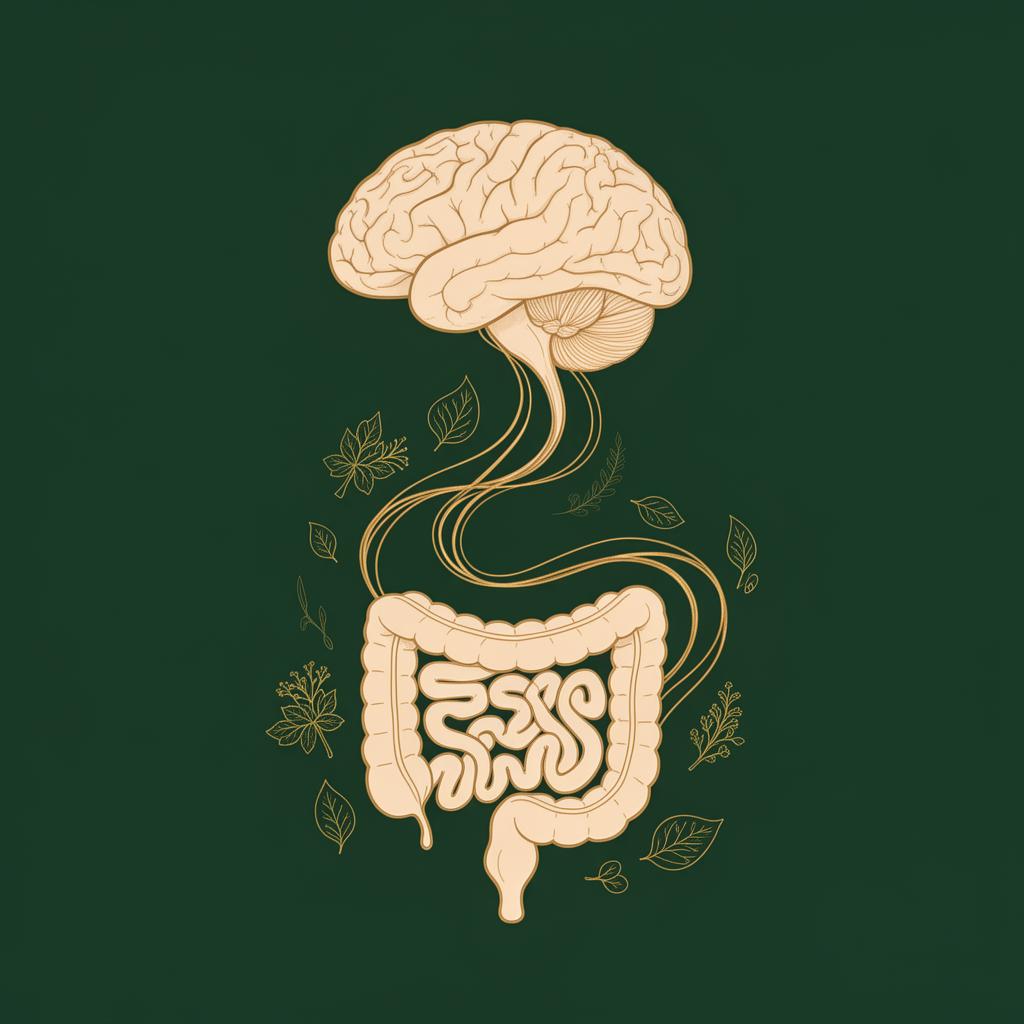
2. Gut Response System
This pillar focuses on the relationship between digestion, nutrition, gut comfort, and overall wellbeing.
Gut discomfort, eating habits, and daily routines can influence mood, energy, and behavior in both children and adults.
This pillar focuses on:
- Gut-brain connection
- Stress-induced digestive issues
- Food habits
- Energy
- Emotional and Behavioral Sensitivity
The objective is to find the connection between the digestive system and the brain and emotions, rather than looking at digestion in isolation.
3. Neural Network System
The Neural Network System focuses on learning pathways and the system's ability to adjust and grow.
This system looks at the individual's ability to learn, respond, process, adapt, and develop over time.
This system is important in:
- Autism
- ADHD
- Learning and Developmental Disorders
- Speech and Communication concerns
- Cognitive and Behavioral Growth
This system's objective is to create adaptive and learning structures to develop the system pathways.
4. Sensory Integration System
The Sensory Integration System looks at how individuals process and react to stimuli in their environment.
While some children are overwhelmed by auditory stimuli, others may be overwhelmed by touch, crowds, or routine disruption. Some children may need additional stimuli and may jump, spin, or engage in repetitive behaviors.
This system focuses on:
- Autism
- Sensory processing concerns
- Emotional outbursts
- Meltdowns
- Behavioural concerns
- School-related difficulties
The goal of the system is to understand how behaviors and emotional and sensory regulation impacts daily functioning.
5. Behavior Guidance System
The Behavior Guidance System focuses on the premise that behavior is a form of communication.
Children may not be "bad" when they hit, scream, refuse instructions, try to get out of going to school or when they have emotional outbursts. It may be their way of showing they have frustration, communication difficulties, emotional or sensory overwhelm, trouble focusing or other developmental challenges.
This pillar is most relevant for the following behaviors:
- Aggressive behavior
- Tantrums
- Defiance
- Refusal to attend school
- Attention-seeking
- Emotional outbursts
- Parent-child conflict
The aim is to improve the ability to recognize the message behind the behavior and to understand the further developmental needs of the child.
Understanding The Individual In Detail
How Assessment Works
The first main aim of the Neuro-Ayurveda Development System is the detailed understanding of the child. The evaluation consists of an analysis of the areas below.
- Developmental history
- Behavioral patterns
- Emotional health
- Sleep and daily routines
- Food and digestion
- Sensory responses
- Learning and attention
- Family and lifestyle
- Existing problems and strengths
How This System Is Different
Neuro-Ayurveda Development System is unique because it integrates the child's developmental, behavioral, and emotional aspects.
- Brain function
- Gut response
- Learning pathways
- Sensory processing
- Behavioral patterns
- Lifestyle factors
- Emotional aspects
Personalized For Every Concern
The system looks beyond the usual question of what the child's problem is and focuses on interrelated factors that may explain functioning more clearly.
- Visible problems
- Related aspects of functioning
- Organized practical advice
- Guidance on further steps
The goal of the evaluation is to understand the visible problems and related aspects of the child's functioning. Based on the understanding of these aspects, parents receive the opportunity to have organized practical advice and guidance on the further steps. Unlike other systems, this one focuses on the interrelated factors in addition to the answer to the typical question "What is the child's problem?" The interrelated factors may provide clarity of the child's functioning to the parents and may provide more tailored guidance to the child.
Want To Go Deeper Into The System?
Explore each of the five pillars in detail, or speak directly with Dr. Ankush Garg to understand what applies to your situation.
Who Can Benefit From This Framework?
Individuals and families seeking to better understand the following may find this framework useful:
Autism
ADHD
Developmental concerns
Speech and communication issues
Learning challenges
Difficult behaviors
Challenges with emotional regulation
Concern for emotional wellbeing in adolescents
Anxiety and stress in adults
Mind-body health issues
This framework offers the opportunity for understanding, combined with some degree of flexibility.